29
Dec 2025
Aluminium Honeycomb Panels: Structure, Benefits and Applications
When you sit with architects or interior designers during the early stages of a project, the discussion usually starts with design intent. But very quickly, it shifts to materials. Weight issues. Flatness. Long-term durability. In projects involving Alstone alcomb aluminium honeycomb panels, this shift happens almost every time. People want surfaces that look refined but behave sensibly on site. That is exactly where an Alstone alcomb aluminium honeycomb panel fits in.
An aluminium honeycomb panel is a sandwich-structured panel made of aluminium skins bonded to an aluminium honeycomb core. On paper, this sounds technical. In reality, it is a very practical material. You pick it up and it feels surprisingly light. You install it and it stays rigid, flat and dependable. In this blog, I will explain how aluminium honeycomb panels are structured, why they are preferred over many traditional materials and where they genuinely perform best based on real interior and façade experience.
The Anatomy of an Aluminium Honeycomb Panel
The Sandwich Concept
The idea behind an aluminium honeycomb panel is simple. Three layers work together instead of relying on a single thick material. This sandwich construction is what allows the panel to achieve strength through geometry rather than mass. In practical terms, it means you can cover large areas without worrying about sagging or excessive load on the structure.
The outer layers are aluminium alloy sheets. These skins handle surface stress and provide the final visual finish. For exterior and semi-exterior applications, they are typically coated with PVDF or PE. From a long-term perspective, this coating matters more than most people realise. It protects the surface from UV exposure, pollution, moisture and daily wear, keeping the panel looking consistent for years.
The Core
At the centre sits the aluminium honeycomb core. It is formed by expanding thin aluminium foil into a hexagonal cell structure. This aluminium honeycomb core is the main reason the panel performs so well structurally while staying lightweight. It supports the skins evenly and limits deflection across large spans.
Why the Hexagon Works
The hexagonal pattern is not chosen for visual appeal. Nature uses this shape because it distributes load efficiently while using minimal material. In aluminium honeycomb sheets, this geometry spreads stress across the entire panel surface instead of concentrating it in one area. That is why aluminium honeycomb boards remain stable and flat even in large formats.
Bonding the Layers
The skins and the core are bonded using high-performance adhesives, usually epoxy or polyurethane. This bonding process happens under controlled heat and pressure. The result is a single aluminium honeycomb panel that behaves like a solid unit. Good bonding is critical. It ensures the panel performs consistently over time rather than developing internal weaknesses.
The I-Beam Effect
A simple way to understand the strength of honeycomb core panels is to think of an I-beam. The aluminium skins act like the flanges, while the honeycomb core acts like the web. This structural principle gives aluminium honeycomb panels their stiffness and resistance to bending without adding unnecessary weight.
Key Benefits: Why Choose Aluminium Honeycomb?
The performance advantages of aluminium honeycomb panels become clearer when you look closely at their key features and capabilities.
Compared to solid aluminium sheets, steel, or stone cladding, aluminium honeycomb panels are much lighter. This reduces the load on the building structure and makes handling on site easier. From experience, this often means smoother installation and fewer structural adjustments during execution.
Reliable Flatness
One of the most noticeable advantages of aluminium honeycomb sheets is how flat they remain. Even after installation, they resist warping and buckling. For interiors and façades where alignment and clean lines matter, this makes a visible difference.
Fire Safety
Aluminium is non-combustible. Many honeycomb composite panels are available with fire-rated cores, commonly meeting A2 classification standards. This makes aluminium honeycomb panels suitable for high-rise buildings, commercial complexes, airports and other public spaces.
Weather and Corrosion Resistance
With PVDF coatings, aluminium honeycomb panels perform well in harsh environments. They resist UV radiation, humidity, acid rain and industrial pollution. For exterior cladding applications, this durability translates into lower maintenance and a longer service life.
Acoustic and Thermal Comfort
The air trapped inside the honeycomb aluminium sheet core acts as a natural buffer. While aluminium honeycomb panels are not insulation products, they do help reduce sound transmission and contribute to improved thermal comfort, especially in large commercial interiors.
Sustainability
Aluminium is fully recyclable without loss of quality. Using aluminium honeycomb panels supports sustainable construction practices and aligns well with green building certifications such as LEED. This is becoming increasingly important as sustainability expectations continue to rise.
Diverse Applications
Architecture and Construction
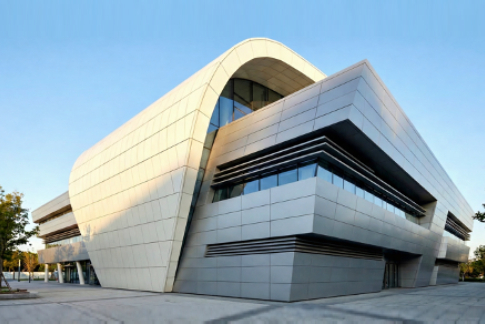
In architectural projects, aluminium honeycomb panels are used both externally and internally. Externally, they are commonly specified for curtain walls, rainscreen cladding and roofing systems due to their stability and lightweight nature. Internally, aluminium honeycomb boards are used for ceilings, wall panels, cleanroom partitions and elevator interiors where durability and precision are essential.
Transportation: Land, Sea and Air
In aerospace applications, honeycomb sandwich panels are widely used for aircraft floors, galleys and bulkheads because reducing weight directly improves efficiency. Marine projects use aluminium honeycomb sheets for decks, bulkheads and interiors to lower overall weight and improve balance. Rail and metro systems rely on honeycomb composite panels for doors, floors and luggage racks where strength and weight efficiency are equally important.
Industrial and Signage
In industrial environments, aluminium honeycomb panels are used for precision surfaces such as laser cutting tables and wind tunnel walls where flatness cannot be compromised. For signage and exhibitions, honeycomb aluminium sheet panels allow large-format displays to remain rigid while still being easy to transport and install.
Installation and Fabrication
Despite their structural strength, aluminium honeycomb panels are easy to fabricate. They can be cut, drilled, routed and bent using standard tools. This makes them suitable for both customised interior applications and large architectural projects.
Installation methods depend on project requirements. Common options include riveted fixing, cassette systems and concealed mounting solutions. This flexibility allows aluminium honeycomb panels to integrate smoothly into different design concepts.
Conclusion
From day-to-day experience at Alstone Alcomb, aluminium honeycomb panels are materials that quietly deliver results. They are light, stable and dependable. They install cleanly, stay flat and perform consistently over time.
As architecture and interiors move toward efficient, durable and sustainable solutions, the Alstone alcomb aluminium honeycomb panel will continue to play an important role. If your project requires strength without excess weight and performance without compromise, aluminium honeycomb panels are a practical and proven choice—connect with the Alstone Alcomb team to discuss your requirements.
Recent Blogs
-
Aluminium Honeycomb Panels for Facades An Engineers Guide to Structural Performance
-
Why Aluminium Honeycomb Panels Are Becoming the First Choice for Sustainable High-Rise Facades in 2026
-
Exterior Cladding Trends 2026: Alstone Alcomb Honeycomb Panels
-
Aluminium Honeycomb Panels: Structure, Benefits and Applications
-
Sustainable Construction with Aluminium Honeycomb Panels
