07
Feb 2026
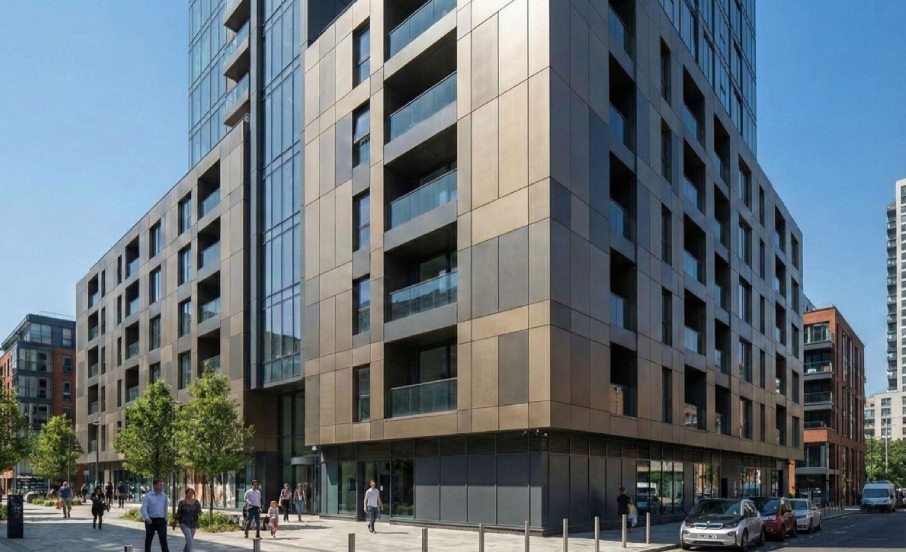
Exterior Cladding Trends 2026: Alstone Alcomb Honeycomb Panels
The role of exterior cladding in architecture has evolved far beyond basic protection. In 2026, cladding is a critical design element that communicates a building’s identity, performance standards and long-term value. Architects, developers and facade consultants are increasingly prioritizing materials that balance aesthetics, strength, sustainability and constructability. As a result, advanced panel systems are shaping the future of modern exteriors, with Alstone Alcomb Honeycomb Panels standing out as a defining solution within this transformation.
How Exterior Cladding Is Evolving in 2026
The architectural landscape in 2026 is influenced by rapid urbanization, stricter performance expectations and a strong emphasis on sustainable construction. Buildings are becoming taller, lighter and more expressive, while clients demand materials that reduce structural load without compromising durability.
Key exterior cladding trends dominating 2026 include:
- Preference for lightweight, high-strength materials
- Seamless and minimalistic facade aesthetics
- Larger panel formats with precise flatness
- Faster installation systems to reduce project timelines
- Materials designed for long-term performance and low maintenance
Traditional cladding materials often struggle to meet all these criteria simultaneously. This has led to a shift toward engineered solutions like honeycomb panels that combine structural intelligence with visual refinement.
The Rise of Honeycomb Panels in Modern Architecture
Honeycomb panels derive their strength from an internal core structure inspired by natural geometry. This configuration distributes load efficiently, allowing the panel to remain exceptionally rigid while keeping overall weight to a minimum. In the context of exterior cladding, this structural efficiency has become increasingly valuable.
Why honeycomb panels are becoming a preferred facade material in 2026:
- Superior strength-to-weight ratio, reducing dead load on buildings
- Excellent surface flatness for large and uninterrupted facade planes
- Improved resistance to wind pressure and external stress
- Ease of handling and fabrication compared to solid panels
- Compatibility with advanced facade fixing systems
As architectural designs become more ambitious, Aluminium honeycomb panels provide the reliability needed to execute complex and large-scale exterior concepts.
Alstone Alcomb Honeycomb Panels: Designed for 2026 Facades
Manufactured by Alstone, Alcomb Honeycomb Panels are engineered to meet the demands of contemporary exterior architecture. These panels combine a precision-crafted honeycomb core with premium surface skins, delivering a facade solution that aligns with both aesthetic aspirations and structural requirements.
Engineering That Supports Modern Design
One of the defining advantages of Alstone Alcomb panels is their ability to support large-format facade designs without visual distortion. The inherent stiffness of the honeycomb core ensures dimensional stability over time, even when exposed to fluctuating weather conditions.
From sleek commercial towers to refined residential projects, these panels enable architects to maintain clean lines, sharp edges and consistent finishes across expansive surfaces.
Visual Sophistication for Contemporary Exteriors
In 2026, facade design is increasingly about subtle elegance rather than excessive ornamentation. Alstone Alcomb Honeycomb Panels support this design philosophy by offering a smooth, refined surface that complements modern architectural language. Whether used as a primary facade element or as an accent cladding solution, the panels enhance the overall visual coherence of a building.
Their ability to integrate seamlessly with glass, metal and other facade materials further expands creative possibilities for designers.
Performance Advantages Driving Adoption in 2026
Performance is a decisive factor in material selection, especially for high-rise and commercial projects. Alstone Alcomb Honeycomb Panels address multiple performance expectations simultaneously.
Key performance benefits include:
- Reduced structural load, enabling more efficient building design
- Strong resistance to deformation, ensuring long-term facade integrity
- Suitability for diverse climatic conditions across India
- Consistent panel quality that supports precision installation
- Lower maintenance requirements over the building lifecycle
These advantages make aluminium honeycomb panels particularly attractive for projects where durability and long-term cost efficiency are critical considerations.
Applications Shaping Exterior Cladding Trends
In 2026, the application scope of aluminium honeycomb panels continues to expand. Alstone Alcomb Honeycomb Panels are increasingly specified across a wide range of building typologies, including:
- Corporate and IT parks
- High-rise residential developments
- Airports, metro stations and transport infrastructure
- Educational and institutional buildings
- Hospitality and mixed-use developments
Their versatility allows architects to apply a single facade language across multiple building types while maintaining performance consistency.
Sustainability and Future-Ready Construction
Sustainability remains central to exterior cladding decisions in 2026. Lightweight panel systems contribute to reduced material usage and lower transportation impact. Additionally, the durability of aluminium honeycomb panels minimizes the need for frequent replacement or repair, supporting long-term environmental responsibility.
By enabling efficient construction and extended service life, Alstone Alcomb Honeycomb Panels align with the broader goals of sustainable and future-ready architecture.
Why Alstone Alcomb Panels Reflect 2026 Design Thinking
The defining architectural trend of 2026 is intelligent simplicity. Buildings are expected to look refined, perform efficiently and remain relevant for decades. Alstone Alcomb Honeycomb Panels reflect this mindset by delivering a solution that is technically advanced yet visually understated.
They allow designers to focus on form, proportion and composition without being constrained by material limitations. For developers, they offer confidence in performance and long-term value. For facade consultants, they provide a reliable system that meets both design and engineering expectations.
Conclusion
Exterior cladding trends in 2026 clearly favor materials that combine innovation, performance and aesthetic clarity. Aluminium honeycomb panels have emerged as a key solution in this evolution and Alstone Alcomb Honeycomb Panels represent a refined expression of this technology.
As architecture continues to push boundaries in scale and sophistication, choosing the right cladding material becomes a strategic decision. Alstone Alcomb Honeycomb Panels offer a future-focused facade solution that supports modern design ambitions while delivering structural efficiency and enduring visual appeal.
Recent Blogs
-
Aluminium Honeycomb Panels for Facades An Engineers Guide to Structural Performance
-
Why Aluminium Honeycomb Panels Are Becoming the First Choice for Sustainable High-Rise Facades in 2026
-
Exterior Cladding Trends 2026: Alstone Alcomb Honeycomb Panels
-
Aluminium Honeycomb Panels: Structure, Benefits and Applications
-
Sustainable Construction with Aluminium Honeycomb Panels
